Are you looking to learn English but have a lower formal education background? Don’t worry! Learning English is possible for everyone, regardless of your academic history. With the right methods and consistent practice, you can develop strong English skills for daily communication, work, and travel.
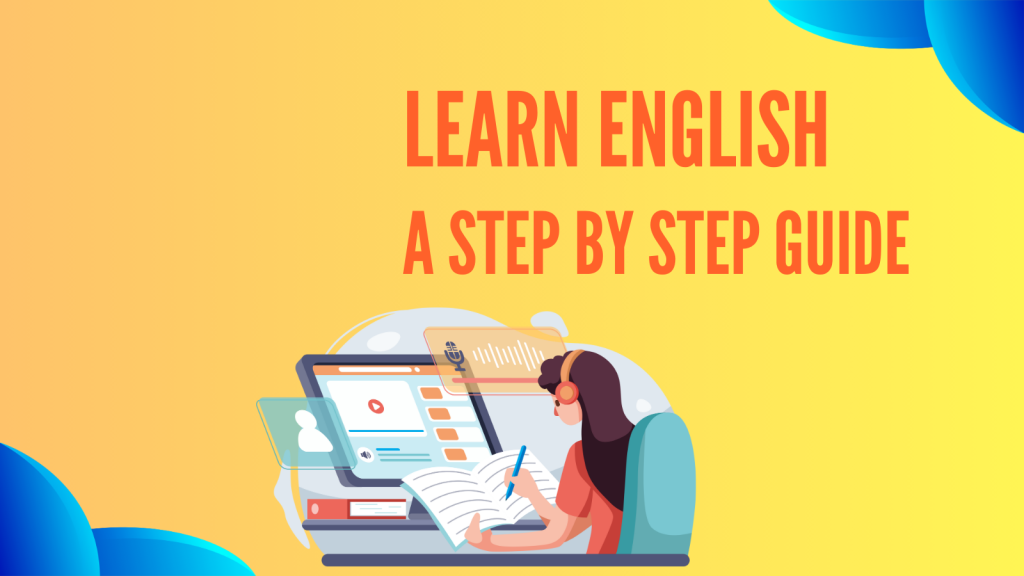
Why Learning English is Important?
- Better Job Opportunities – Many employers prefer candidates who can communicate in English.
- Easier Communication – English is a global language used in business, travel, and technology.
- Boosts Confidence – Speaking English fluently improves self-confidence in social and professional settings.
- Access to More Knowledge – Many educational resources, books, and courses are in English.
How to Learn English Independently?
Even without formal education, you can improve your English skills using various self-learning techniques. Here’s how:
1. Start with Basic Words and Phrases
- Learn common words and everyday expressions.
- Use picture dictionaries or translation apps to understand meanings.
- Label objects in your home with their English names to build vocabulary.
2. Listen and Watch English Content
- Watch English movies, TV shows, and YouTube videos with subtitles.
- Listen to English songs and podcasts to get familiar with pronunciation.
- Repeat words and phrases you hear to improve speech clarity.
3. Read Simple English Books and Newspapers
- Start with children’s books and short stories.
- Read newspapers and online articles to learn new words.
- Use a bilingual dictionary to understand difficult words.
4. Practice Speaking Every Day
- Talk to yourself in English to build confidence.
- Join language exchange groups and practice with native speakers.
- Use voice recording apps to listen and improve your pronunciation.
5. Write in English Regularly
- Keep a diary and write about your daily activities in English.
- Practice writing short sentences and messages.
- Use grammar and spell-checking tools to correct mistakes.
6. Use Free Online Resources and Apps
- Duolingo, BBC Learning English, and Memrise offer free English lessons.
- Join social media groups where people share English learning tips.
- Play English learning games to make learning fun.
7. Set Small and Achievable Goals
- Learn five new words daily and use them in sentences.
- Practice speaking for 10 minutes every day.
- Read a short article and summarize it in your own words.
Stay Motivated and Keep Practicing
Learning a language takes time, so be patient with yourself. Make English a part of your daily life by reading, listening, speaking, and writing regularly. The more you practice, the better you will become!
Start today and take small steps towards fluency. With dedication and consistency, you can achieve your goal of speaking English confidently.